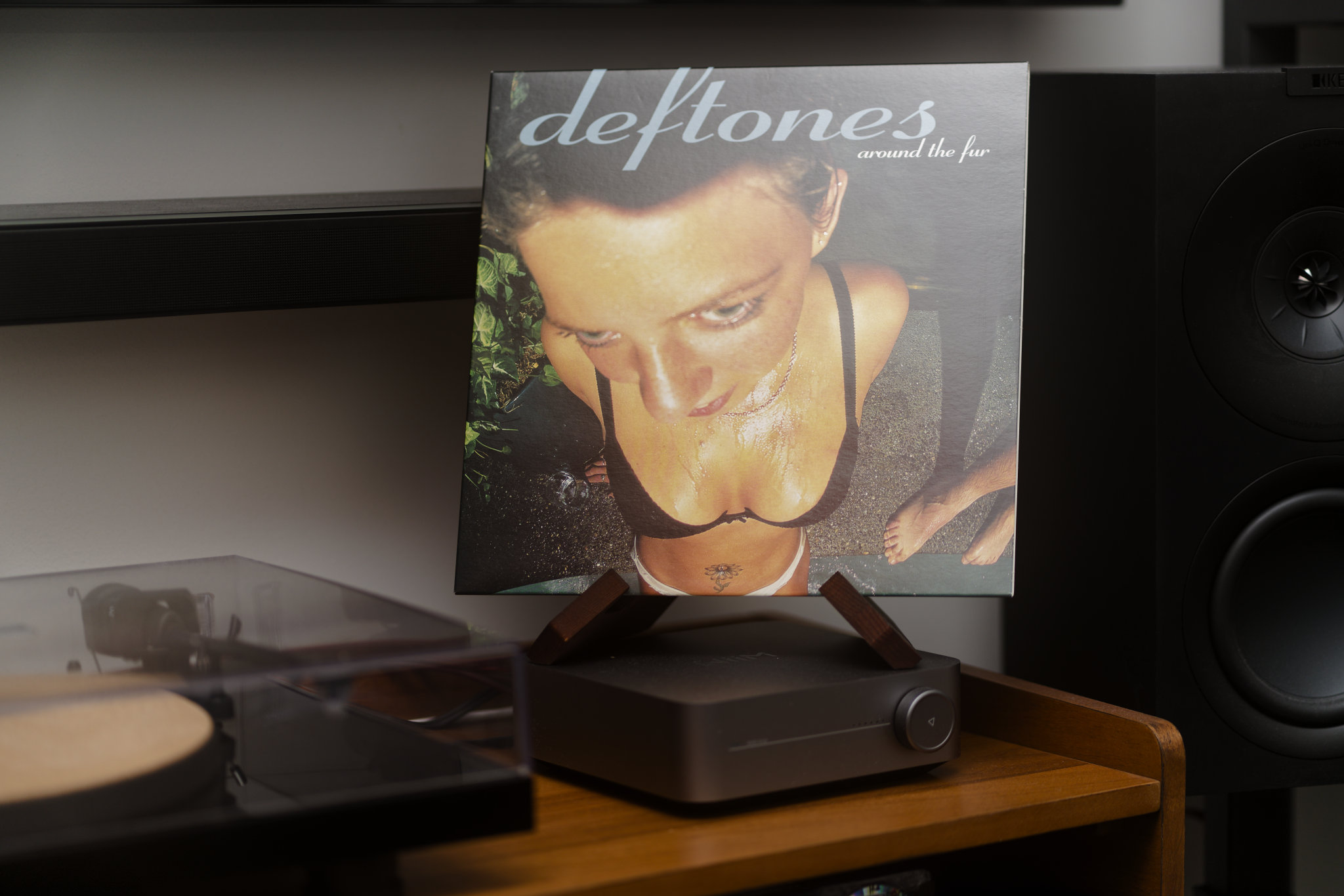
I was a huge Deftones fan growing up. Around the Fur was in heavy rotation. But even before you get to the music, the cover gets your attention.
It is not a clean rock pose or some grand concept. It is a flash-lit, off-kilter party image: a woman in a jacuzzi, someone else’s feet in the frame, an expression you can’t quite read, and a whole social situation happening just outside the edges. It always felt like you had walked in halfway through a story.
This week I stumbled on a video from Jenkem that tracks down the photographer, the art director, and Lisa Hughes, the woman on the cover. The details below come from the Jenkem video unless otherwise noted.
I enjoyed finding out how an unplanned photo became such a familiar cover.
The Image
The photo was shot by Rick Kosick, who was shooting for Big Brother magazine at the time. If that name sounds familiar, it’s because he’d later become one of the main cameramen on Jackass.
Rick had become friends with the Deftones, and they invited him to Seattle during the recording of Around the Fur. No assignment to shoot a cover. He was there to hang out and take photos.
“I had no idea that this would make it to the album cover at all,” Rick said in the video. “Maybe that’s why it worked, you know, because there was no intention.”
The band was in their party phase. They went back to the condo they’d rented during recording, and there was a woman hanging out in the jacuzzi. Rick went up and took two photos. That’s it. Walked away.
A few weeks later, he got a call from the label asking him to come see something.
He wasn’t even looking through the lens when he shot it. Just hung over the jacuzzi using his bulb technique.
“It’s lightning in a bottle,” he said. “You can only get one.”
Why It Stuck
Kevin Reagan was the art director at Maverick Records, the label Madonna ran. He’d worked on albums for Prodigy, Sonic Youth, Tupac. When the Deftones project landed on his desk, he wasn’t super familiar with the band.
Rick’s photo immediately interested him.
“There was nothing close,” Kevin said. “I was like, hm, this is an eye opener.”
The image was a long vertical, which isn’t typical for album covers. But Kevin knew there was a story in it. And then he noticed the feet at the bottom of the frame (they were Rick’s feet), adding another layer to the composition.
“If you take that out, it becomes good,” Kevin explained. “But it’s definitely not the same dynamic of like, who is that? It starts to tell a story and god knows who else is in the picture.”
Then came the decision that I think made the cover what it is. The photo had imperfections. A blemish. A tooth catching the light at an odd angle. Kevin had to decide how much to retouch.
“If this was Madonna, definitely would have cleaned up a lot of this,” he said. “But I decided to leave it on. I’m going for it. I’m going to have less retouching.”
Leaving those details intact made the image more unsettling, as Kevin describes it.
“It’s like, what’s the fuck going on there?”
Rick has shot thousands of photos, he helped create Jackass, but the Deftones cover? That’s the only album cover he’s ever done.
“I’ve only done one. But hey, I guess that’s all I need to do.”
What Album Covers Used To Do
This is the part I miss about album covers as cultural objects. They used to sit around in bedrooms, CD binders, record-store bins, dorm rooms, cars. You had time with them.
You could stare at a cover without knowing much. No instant explainer, no comments, no tagged photographer, no explanation supplied alongside it. Just an image, repeated until it became part of the music.
Around the Fur had that quality for me. The cover was not asking you to solve it exactly. It showed a night I knew nothing about. That ambiguity is part of why it lasted.
Why Provenance Matters
The video also gives Lisa a chance to tell her part of the story.
Twenty-eight years later, Lisa still lives in Seattle. She met up at a local skate park, vinyl in hand. She’s been signing copies for her daughter’s friends lately.
Back in ’97, she was a young woman from Auburn who knew a lot of people around the area. She’d go to after-parties after the bars closed because she never wanted to go home.
She wasn’t tracking who the Deftones were. She’d just run into them at parties, and this one happened to be at the pool at their apartment.
“I was kind of oblivious of who they were,” she said. “To me, it was just a bunch of people there and we’re just having fun.”
Her drink of choice at the time: vodka and peach schnapps. She and her friend called it “silk panties.” It’s in the glass at the bottom-left of the frame.
When the album came out, her life didn’t really change. Her friends knew it was her, but she wasn’t announcing it. She got some cool opportunities. The band would invite her to shows. But she kept it quiet.
About ten years ago, someone asked if she ever looked herself up online. She hadn’t. When she did, she found articles calling her a groupie.
So she started a page just to set the record straight. “So people know that I’m Lisa. I’m just this awesome chick from Auburn and I like to have fun. And there’s no groupie action going on here. Just me having a kick-ass time.”
People have pointed out the blemish on her face over the years. She doesn’t care.
“Who gives a shit? I’m a human being. I’m not a model.”
The video ends with Lisa taking the creator to the actual spot where the photo was taken. She hadn’t been back in years, but her memory was sharp.
After a bit of searching, they find it.
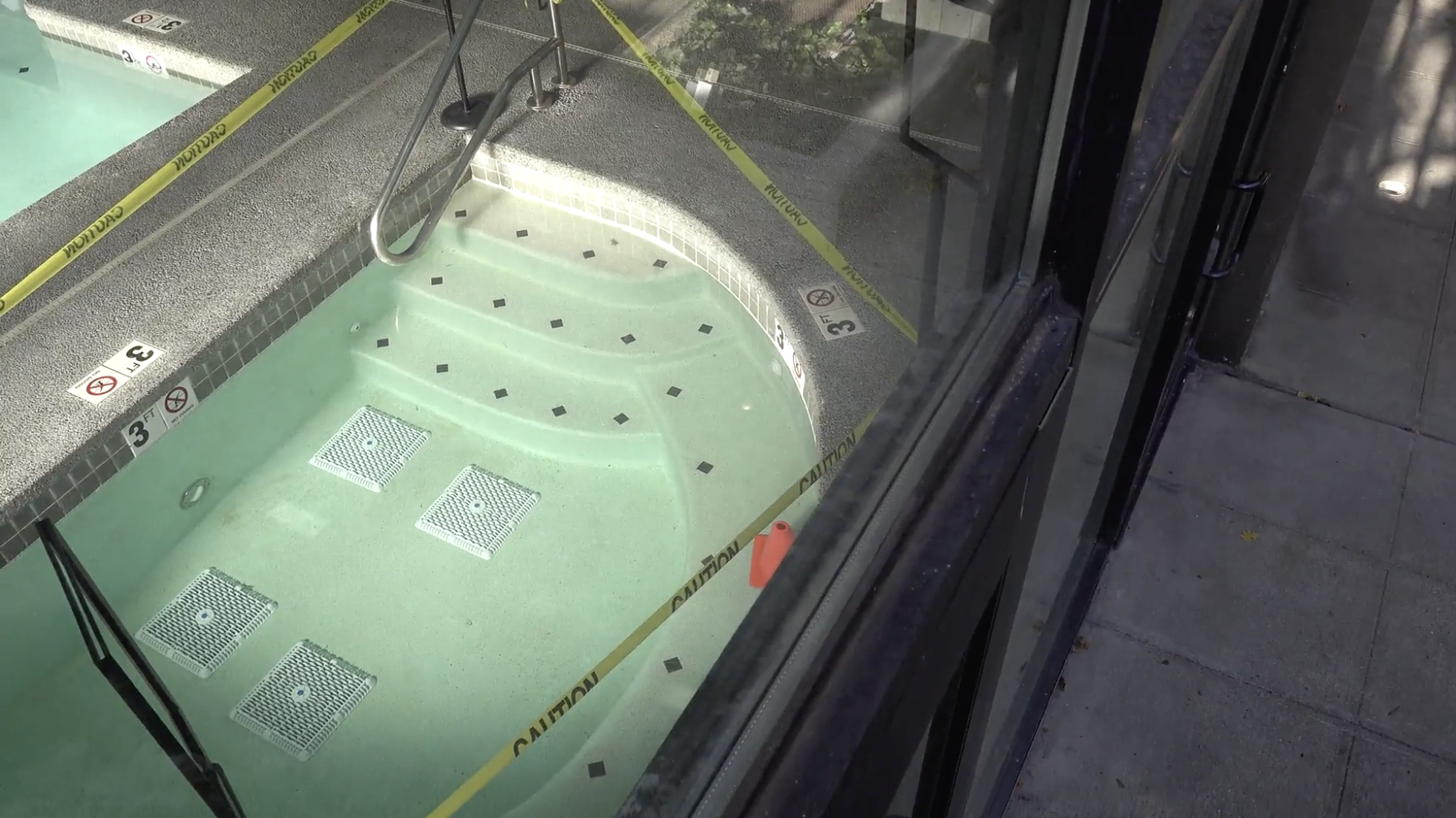
They return to the spot where Rick took the photograph 28 years earlier.
“What’s really happening is someone having a good time, living their best life in their 20s,” Lisa said.
That’s the whole story. A photographer who wasn’t trying to shoot a cover. An art director who chose the photograph and left the imperfections in. And a woman who was just out having fun with her friends.
The photograph was unplanned. Making it the cover—and deciding how little to change—required a separate set of choices.